
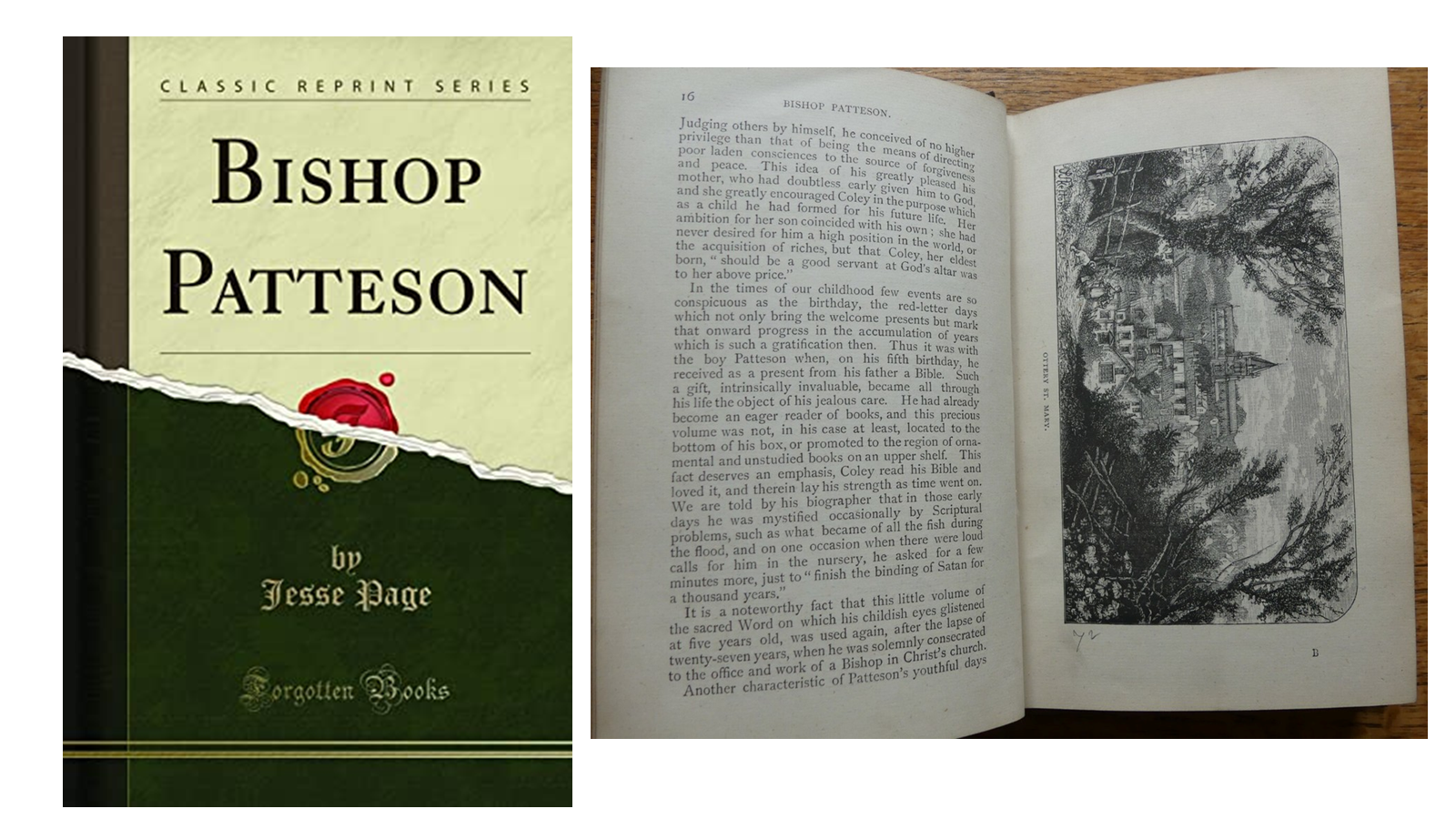
I was recently handed an old book, which contained the biography of Bishop Patteson.
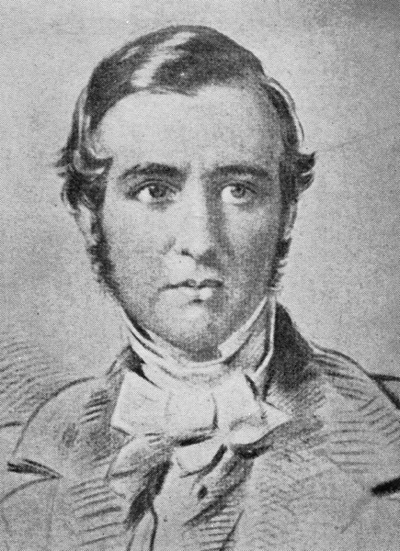
John Coleridge Patteson (1827 – 1871) was an English Anglican bishop, missionary to the South Sea Islands (Melanésia), and an accomplished linguist, learning 23 of the islands’ more than 1,000 languages. In 1861, Patteson was selected as the first Bishop of the Anglican Church of Melanesia. He was killed on Nukapu, having been wrongly identified as a slave trader, one of the easternmost islands of the Solomon Islands, in 1871.
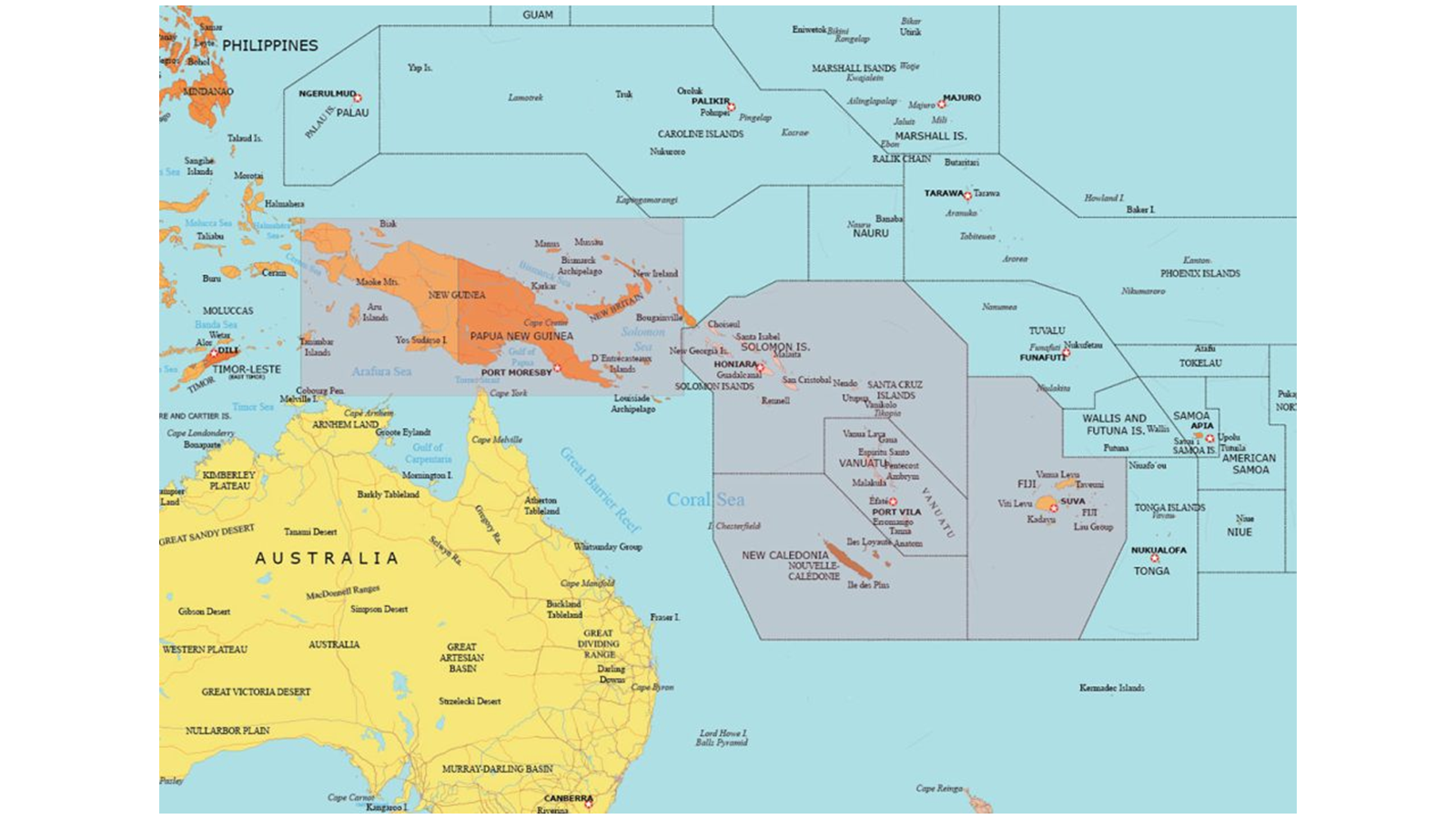
I confess that prior to being given the book by a friend who shares many of my missionary interests, I had never heard of the good bishop and had no idea where Melanesia was. Having been given a short synopsis of the life of this remarkable man, I decided I would read this ancient text (now available as a modern reprint) and was glad that I did. I had good reason for doing so – these days I lead “Prayer for Mission” at my own church, where we would pray for missionaries and mission interest all over the world including in Britain, taking the view that if anyone is a real Christian he/she should be a missionary, including in supportive roles.
Often in those meetings, I begin with a reflection concerning some missionary from the past and last time it was on Bishop Patteson. Earlier, I had shared a session on mission history, which I titled “From Hus to here”, where I traced the contribution made of persons of interest to the missionary cause, starting with Jan Hus, who became not just an inspiration for the Protestant Reformation but he helped to inspire the modern missionary movement, in particular via Count Zinzendorf and the Moravian Brethren. Like Patteson, Hus laid down his life for spreading the Gospel.
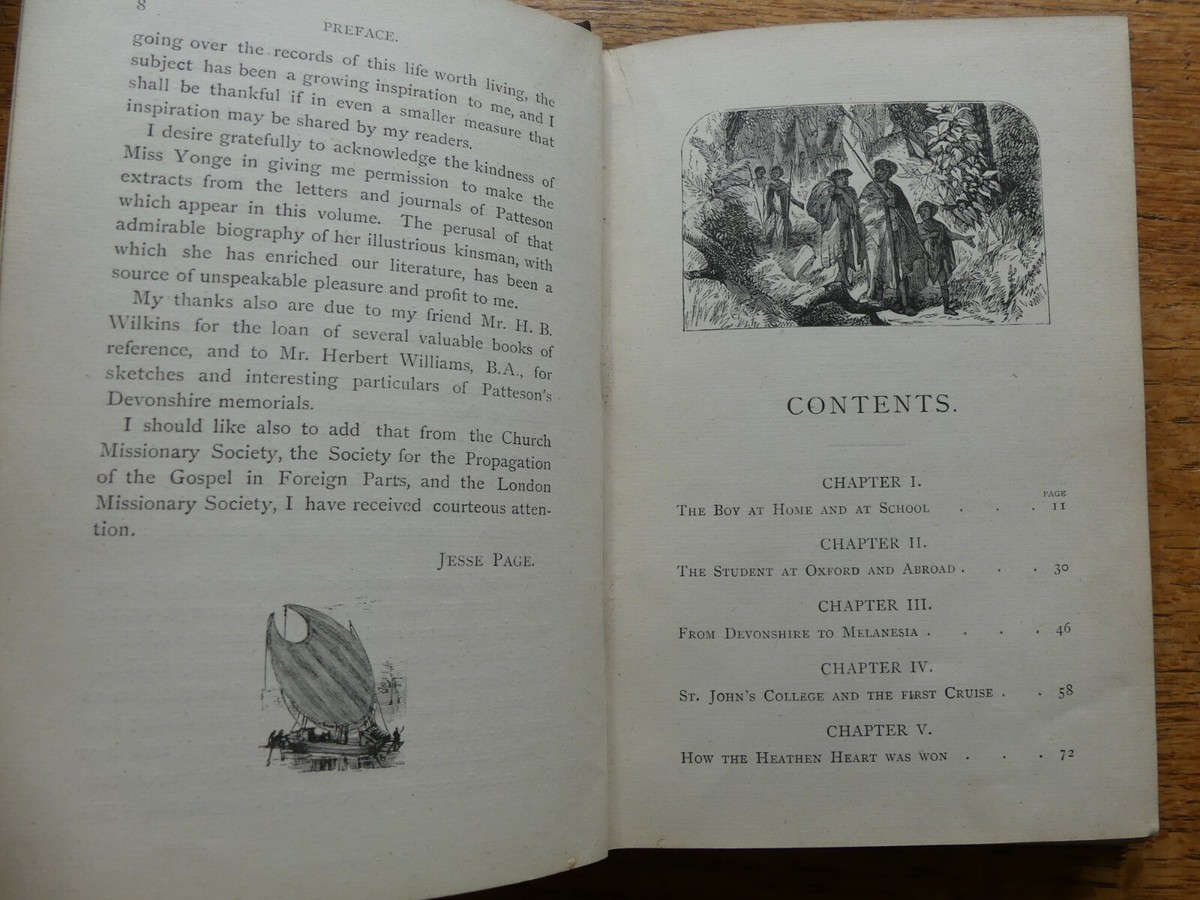
“Bishop Patteson” by Jesse Page was an eminently readable book despite being written in Victorian type language. I am informed that Jesse Page was a prolific author who wrote several books, primarily focusing on missionary biographies. He is best known for “Bishop Patteson: Martyr of Melanesia”, a biography about John Coleridge Patteson, the first Bishop of Melanesia.
Remarkable, passionate, committed, adaptable, winsome are some from the long list of adjectives that might describe John Patteson. Despite his high class background, along with a loving family – he went to school at Eton (where he captained the cricket team) and studied at Oxford. He felt the call to be a missionary in Melanesia at an early age, and gave his life to progressing the work of the gospel, undeterred, identifying with the natives and persistent in carrying out his calling amidst many challenges and heartaches.
Page’s works often explored themes of Christian missions, biography, and the lives of notable figures in the Church of England. Some of his notable books include:
– Amid Greenland Snows: The Early History of Arctic Missions
– Captain Allen Gardiner of Patagonia
– Among the Maoris: Or, Daybreak in New Zealand
Page’s choice of subjects suggests he was deeply interested in spreading Christianity and the lives of dedicated missionaries.
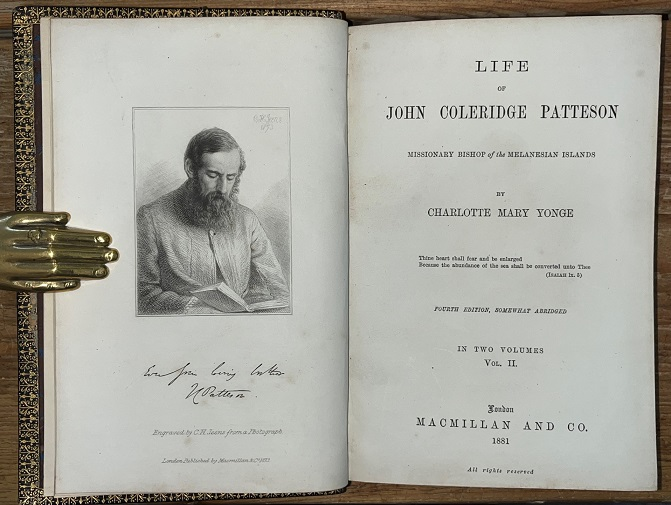
I understand that there is a much lengthier biography of Patteson by Charlotte Yonge that does a lot more deep diving, e.g., referencing letters written by and to Patteson and his High Church affiliation, e.g., to one of the Oxford Movement’s leading lights, John Keble. This aspect might have interested me for despite coming from a different stable with my Low Church connections, Keble, along with Newman and Pusey, prioritised reaching the world for Christ.

Bishop John Patteson is remembered as a martyr and a pioneer in Anglican mission work in Melanesia. His legacy lives on in the Anglican Church of Melanesia, which covers the Solomon Islands and Vanuatu, with around 250,000 members. Patteson’s work focused on education, translation, and empowering local communities, and he learned 23 languages.
Legacy Highlights:
– St. Barnabas College: Founded on Norfolk Island as a training center for missionaries
– Translation Work: Translated gospels into the Mota language
– Advocacy: Worked to suppress the slave trade in the Pacific
– Martyrdom: Killed on Nukapu island in 1871, commemorated on September 20
(Pertinent to our Prayer for Mission) Prayer Points include:
– Church Growth: Pray for the Anglican Church of Melanesia’s continued growth and vitality
– Leadership: Pray for wisdom and guidance for church leaders
– Missionaries: Pray for those serving in Melanesia, including protection and effectiveness
– Local Communities: Pray for the people of Melanesia, to thrive and be a blessing to others

Back to my “Hus to here” talk, I concluded: We’ve traced a line from Hus to here and the missionaries we support, e.g. GBM. Bible people. Suffering people. Mission people. Reformed, Baptist, Brethren, Evangelical. But God isn’t done. In 1871, an Anglo-Catholic bishop was murdered on a beach in Melanesia with a Greek New Testament in his coat. He’d given his life to translate Scripture for people who’d never heard. He refused cheap converts. He died like Hus — for the Word. He wasn’t Reformed. He wasn’t Baptist. He wasn’t Brethren. But he was one of ours. Because the faith once delivered doesn’t belong to a denomination. It belongs to Christ. And Christ still has servants we don’t know yet, in places we’ve never been. Patteson, like Hus and the other “missionaries” I have cited, had one passion – to stand for truth and preach Christ, thus fulfilling the Great Commission:
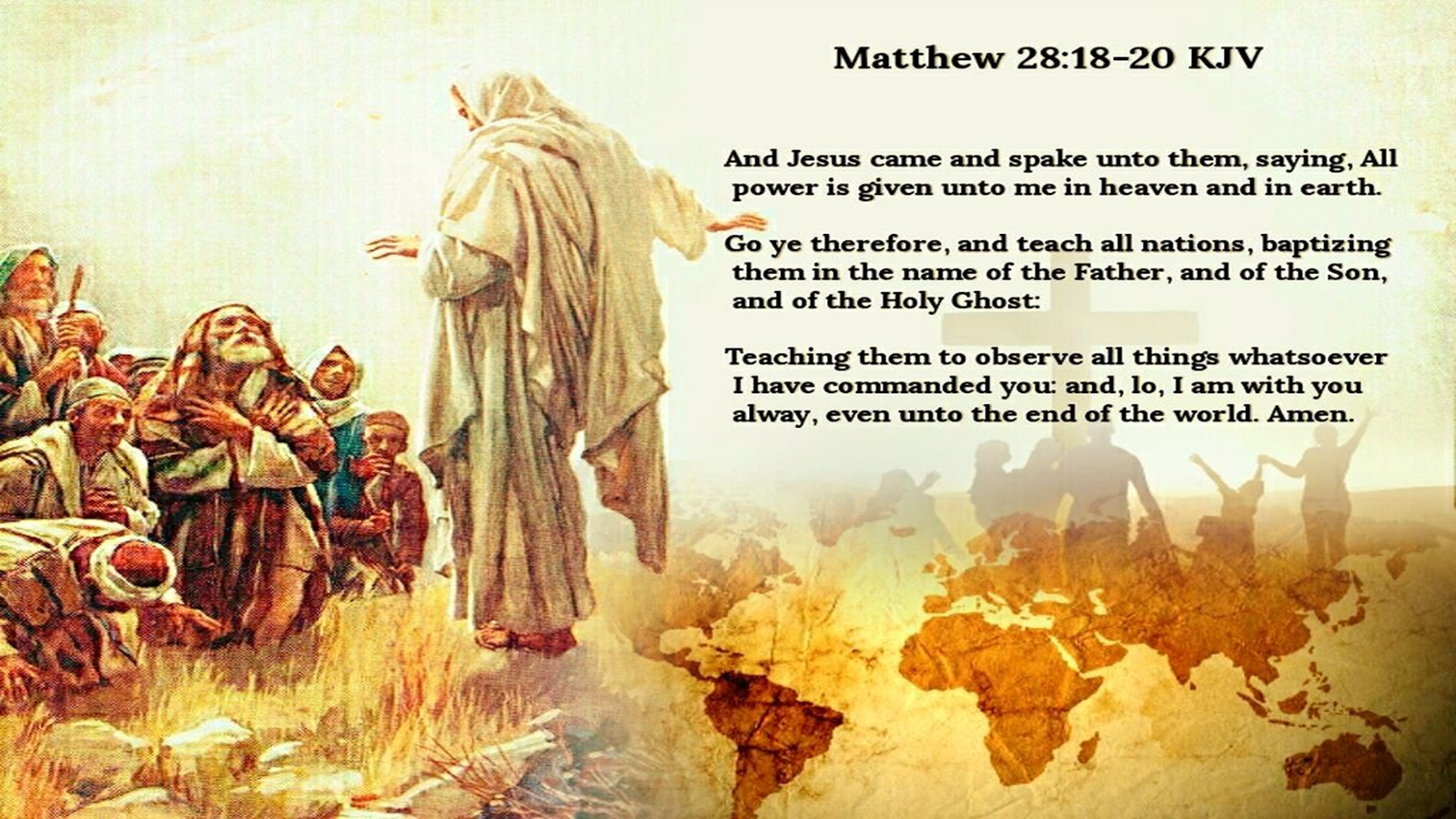
I end with an apt Patteson quote:
“I cannot say that I have any wish to be anything but what I am – a Missionary Bishop. I had rather be that than anything else in the world. If I live, it is for the work; if I die, it is for the work. I am quite content.” Bishop John Coleridge Patteson, letter, 1868
Appendix: From Hus to Here
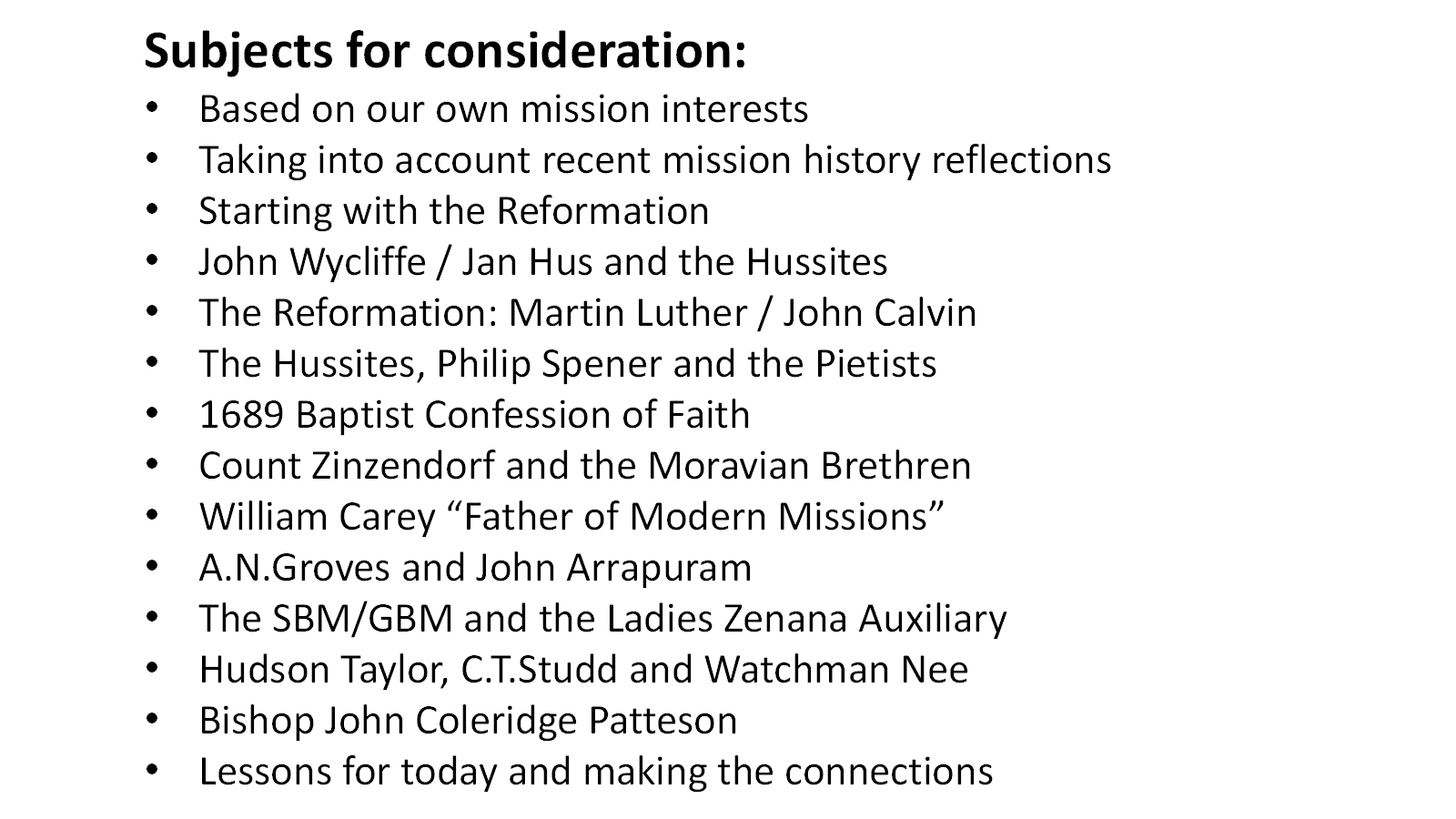
The following is a download of the slides accompanying my “Hus to Here” talk.

