
I have been chomping at the bit for a while to write another political blog and one with a twist. While as a “gospel preaching, community activist, watchman on the wall” I have tried to steer clear of politics, especially party politics, it cannot be avoided and neither should it be because of the division we are now seeing in my beloved country as it edges ever closer to civil war with those in my own Christian constituency who are deeply divided on the matter.
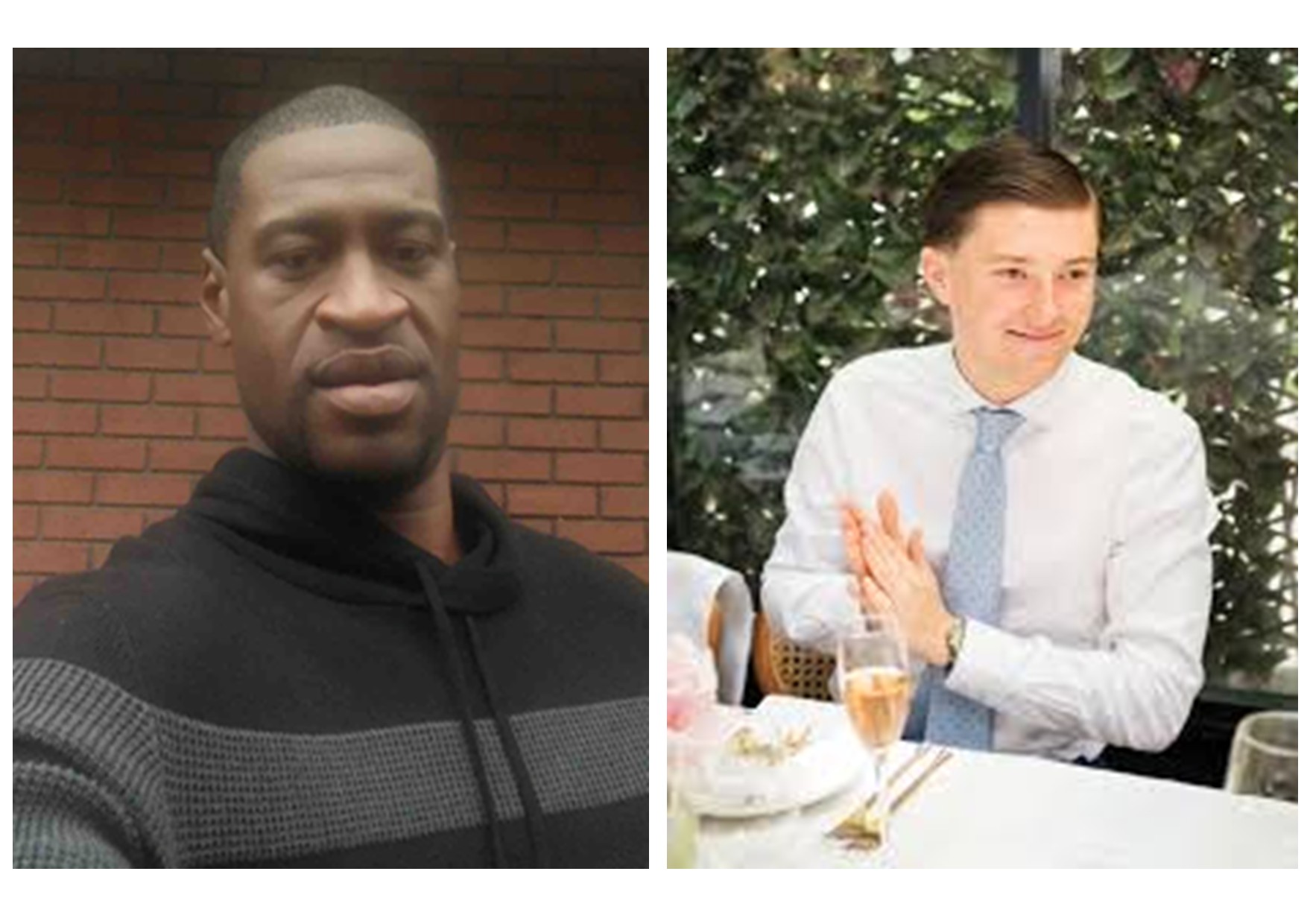
A further impetus came when I read a short book about political involvement by two USA pastors from the Reformed, Evangelical camp concerning politics, who I might have expected to be Right rather than Left leaning, but as it turned out they were neither. They made a very important point that I and others often overlook – one reason why even sound Christians see things very differently is that, whether Right or Left leaning, both are concerned about justice and believe God to be just. Moreover, an important part of all that is having the wisdom to apply those beliefs to justice issues, bearing in mind justice is usually a factor. An example in the cases that I am about to cite, as it played a part, is that of systemic racism.
When Christians on ‘both sides’ invoke ‘justice’, we’re often speaking different languages. George Floyd’s death sparked cries for reform; Henry Nowak’s raised alarms about two-tier policing. Both cases expose fractures in how we pursue justice – and expose our need for wisdom. We (if Christian) agree: God is just (Psalm 9:8). But whose understanding of justice do we trust? The urgent voices crying ‘systemic racism’ or the anxious ones who warn of ‘lawlessness’? Proverbs 2:1-5 says wisdom’s found by seeking understanding – not by presuming we’ve got it. So let’s ask: where’s the mercy in our judgments? The humility in our certainties? The listening in our shouting? Part of this blog is a journey to explore just that: what does biblical wisdom look like amid justice divides?
I confess, having read articles, watch videos concerning the subject of the blog as I sought to “come to a view”, I decided to begin with that I ask AI the following question: “I’m looking to do a political blog focussing on the divide among Christians pertaining to justice and the need for wisdom. As my opening entree I want to use the stories of George Floyd and Henry Nowak, specifically their deaths and the aftermath especially how perceived by what is termed “far left” and “far right”. I need a couple of sentences covering the two. Can you help?” This is what it came up with:
“George Floyd’s death in 2020 sparked widespread protests against police brutality and systemic racism, with many Christians calling for justice and reform. In contrast, the death of Henry Nowak in 2025 has highlighted concerns about two-tier policing and the impact of diversity initiatives on law enforcement, with some arguing that these efforts prioritize ideology over safety.
Christian perspectives on justice:
– Left-leaning Christians often emphasize social justice, advocating for systemic change, racial reconciliation, and addressing inequality. They see Floyd’s case as emblematic of broader issues.
– Right-leaning Christians tend to focus on law and order, personal responsibility, and individual sin. They might highlight concerns about law enforcement challenges and societal divisions.
These cases expose deeper theological divides:
– Views on human nature (innate sin vs. systemic structures)
– Approaches to justice (restorative vs. punitive)
– Understandings of power dynamics (oppressor/oppressed vs. individual agency)”
I found the AI response helpful for what I wanted to say. Casting my mind back to the George Floyd murder, I felt then the overwhelming response at the time – righteous indignation, politicians bending over backwards to condemn police wrong actions, bending the knee and aligning to the dubious Black Lives Matter (BLM) organisation, sometimes leading to protests and riots, as an over-reaction and disproportionate given other justice issues. As for the Henry Nowak murder, there has been a condemnation of police actions by a certain crowd, but is not the same one that protested over George Floyd and silence from those who had, along with the group I call “the Unholy Trinity” (media, politicians, elites).
In my checking out of media etc, I discern (e.g. from their own camera footage) police more interested in not upsetting BME folk rather than doing their job of protecting the public, in this case a man bleeding to death, and then taking the side of two Sikh bad guys because that is what their diversity training has led then to do (btw I have known many Sikhs and many were/are lovely) and prioritising their claims of racial abuse. I have found the dismissive reaction of many Christian leaders and politicians as being wholly repugnant, arse about face and also unwise.
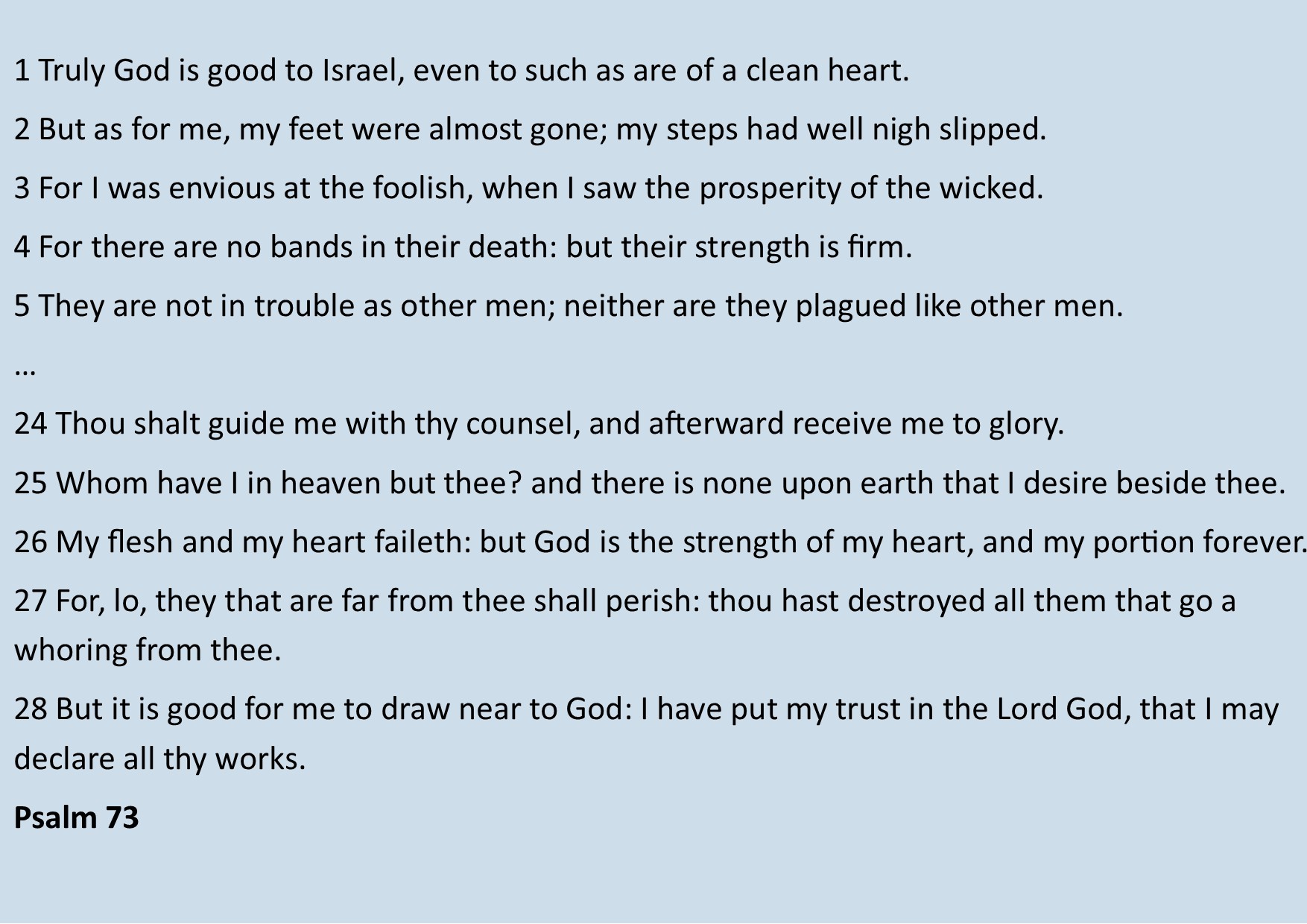
It is also why I am banging the drum or in the watchman case blowing the horn as to what I am seeing. Ordinary people, feeling increasingly betrayed, are angry. When they stop trusting in their institutions: police, church leaders, the criminal justice system and politicians, with their woke agendas, as is increasingly the case, they will react. I told one angry Christian friend, whose instincts go far beyond peaceful protesting, to desist and meditate on Psalm 73 and also to make our voices heard – starting here!
Appendix – Wokeism Revisited
This is what I wrote about wokeism in my forthcoming book:
I used the term “woke” in earlier chapters, usually negatively, without defining it. Christians use the term differently. I deplore the move toward political correctness, identity politics, etc., and the over-emphasis on certain issues, e.g., climate change, race, LBGT, diversity and inclusion, adopted by many “woke” churches, but non “woke” ones mustn’t forget we need to serve the poor and marginalized and, since God is a just God, we mustn’t ignore injustice. As for contentious justice issues, we all need divine wisdom to align with the heart of God.
Woke = Gospel-aware
Being awake to injustice the way Jesus was. Seeing the marginalized, “the least of these” (Matt 25:40), and acting with mercy and justice like the Good Samaritan.
Woke = Worldly ideology
A secular social framework that elevates identity politics and grievance over personal responsibility, forgiveness, and biblical truth.
Woke = Socially conscious
Originally African American vernacular for being alert to social and racial injustice. Now broadly used to mean being aware of systemic inequalities and discrimination.
 JRB Publications