
Some will know that when I began my third career as a community worker (before that I was a computer consultant) soon after the turn of the millennium, I was involved in helping to set up a charity (which is still going), which we named “Trust Links”. The purpose of the charity was to help folk experiencing mental health problems, having between us found many such people. They had fallen through the net and needed the type of help that the “system” failed to give.
Many of us involved in those early days belonged to churches, where we came across many in our networks who could do with some of the help that we wanted to give. Above all, we wanted to make a difference. Later, I got involved in helping the homeless. Many of the homeless folk we came across had mental health issues, as well as problems to do with addiction, and these were factors in their becoming homeless. Some had both and the two were often linked.
While I am no longer active at the coal face as I once was, I still take an interest in what is going on in my city and wider afield with initiatives that are meant to help those experiencing mental health and homelessness, and I try to do my bit to help, including supporting those working on the front line and experiencing struggles in these areas. I have also written about these subjects. Most recently, I wrote a book titled It’s Not What We Were Told (due out soon). One of the many subjects covered is an “elephant in the room” one. It concerned Mental Health and Addiction.
This is what I wrote:
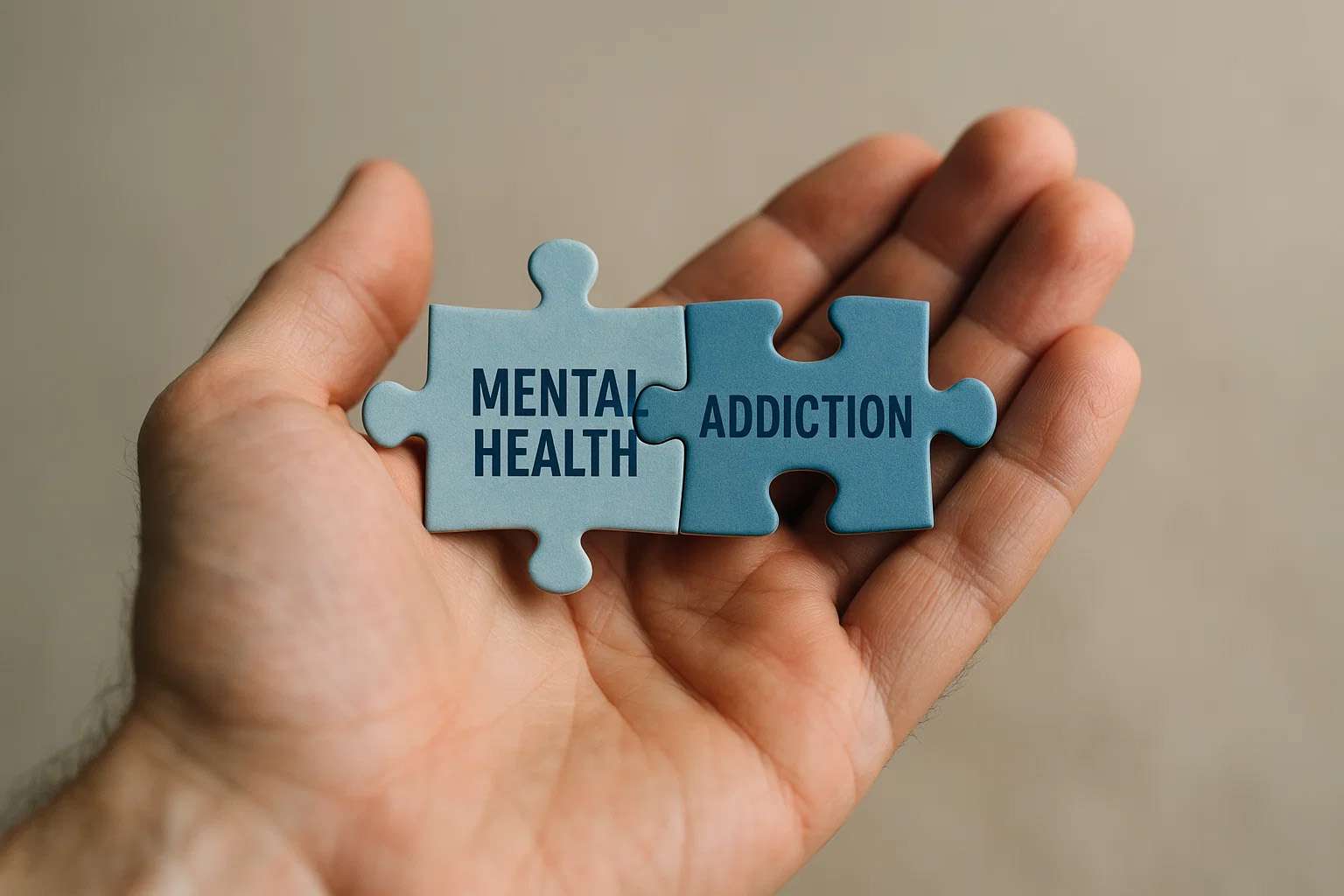
Mental Health and Addiction
For God hath not given us the spirit of fear; but of power, and of love, and of a sound mind (2 Timothy 1:7).
And he [Moses] cried unto the Lord; and the Lord shewed him a tree, which when he had cast into the waters, the waters were made sweet … (Exodus 15:25a).
I mentioned earlier that my career as a community activist began partly in response to my recognising many of the folk I came across experiencing mental health difficulties were to be found in church and while churches may be attractive, offering a safe space where such folk may feel accepted and valued, many of their unmet needs are ignored as they are not properly understood or there is an unwillingness to accommodate those having mental health issues. Moreover, it is too often a taboo subject that is ignored. Many in churches do too little to help, despite ALL of us (including myself) having mental health needs.
We are all somewhere placed on the 3+ dimensional good to bad mental health spectrum that is ever changing. Some of the kindest people I have ever met have experienced mental health distress and instead they may be more mentally with it than those who ignore the needs of others, think they are ok, and care just for themselves. We might take comfort that some of the greatest saints and Bible characters had their own mental health struggles despite it being said that they needed to put their trust in God. My message to churches is: try to understand, e.g., the triggers, manifestations, ways to help; make allowances for the many in your circles who struggle with mental health issues and work on being a healing community.
We might also want to link mental ill health to addictive behaviour. This can manifest in several different ways, but the ones I have come across, particularly in my experience as a community worker, are alcoholism, drug usage, gambling and pornography. I have little doubt that even in church circles it is more prevalent than is often recognised or admitted to. It would be easy to say all that is needed is for the addict to draw close to God, but it would be denying the struggles and deep hurts that the addict is experiencing. As with mental health, those within a Christian community need to be conduits of Christ’s freedom and healing.
When I look around me, and even reflect on my own life, I can see folk held back from experiencing all what God wants for them because of mental ill health and/or addiction. I have no magic wand solution such that folk might find wholeness and be immediately freed from their struggles, and I have found that everyone’s experiences giving rise to mental ill health and addiction are different. I want, though, to return to Moses and Marah in Exodus 15:25-26, when he discovered Jehovah Rapha, the Lord who heals you, after he threw the tree into the bitter waters and the waters were made sweet.
The tree was a picture of the Cross to come, and it is through what Jesus accomplished by dying on the Cross that our own bitter waters can become sweet. That is why I want God’s people to be those who point folk to the foot of the Cross. The Cross is not a quick fix, nor does it negate the need for sinners to repent, but it is the place where bitter waters can be made sweet.

