
On Rowan Atkinson, jesters, and why we still need comedy to speak freely.
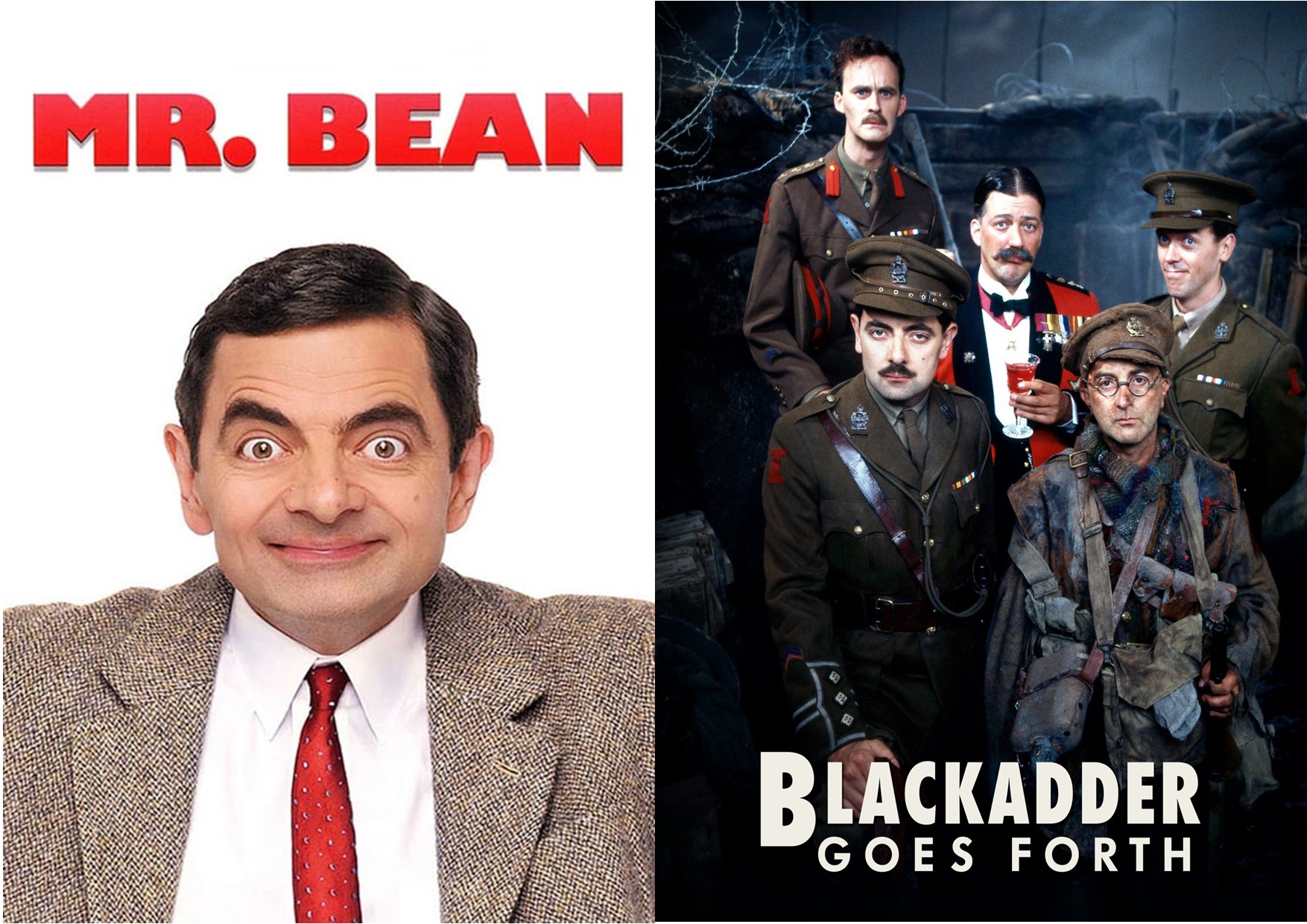
I’m not a fan of Mr Bean. I find him annoying.
Give me Blackadder any day. The man who could see through hypocrisy, pretension and folly in a single raised eyebrow and a dry sentence – some may call it rudeness. And yet, the more I think about it, the more I see Mr Bean in me. So absorbed in his own world and failing to see what others see, let alone his lack of awareness and willingness to adapt – some may call it selfishness.
Blundering into situations. Making things worse while trying to help. Laughing at myself later. I admire Rowan Atkinson for creating both. Because between them, he mapped two very different ways comedy helps us understand culture. And right now, in a day when people can be carted off to jail for mean tweets, words that offend some or doing things like praying outside of abortion clinics, we need both Mr Bean and Blackadder more than ever.
The Two Mirrors
Blackadder is the observer.
He stands outside the room and names what’s wrong with it. The vanity of politicians. The stupidity of war. The pomposity of people who take themselves too seriously. His weapon is language. Comedy as critique.
Mr. Bean is the participant
He doesn’t give speeches. He gets tangled in the Christmas turkey. He tries to pay for something with a cheque in a cashless world. His weapon is silence and physicality. Comedy as empathy.
We laugh at Blackadder because he’s smarter than everyone in the room.
We laugh at Mr Bean because, for a second, we are him.
I want to be more Blackadder, although without the manipulation, or better still like another Rowan Atkinson classic, Johnny English. I feel though that I am often more like Mr Bean.
Johnny English is the well-meaning doer. He’s trying to help. He’s bewildered. But he gets there in the end. He is a nicer version of Bean. Less selfish, more heart. Since I don’t want Blackadder’s manipulation, and don’t want to relate to Bean’s total self-absorption, maybe Johnny is my man!
The Last License to speak
Atkinson has spoken about comedy as more than entertainment. For him, it’s a way of testing the boundaries of what a society will allow.
It’s an old role. The ancient equivalent of the modern comedian was the court jester. The only person allowed to tell the king he was a fool. If an ordinary person did it, that was treason. If the jester did it, it was “just a joke”.
That license matters. It creates a space where dangerous truths can be said out loud.
Blackadder used that space to mock power directly. Mr Bean used it to mock us indirectly, by showing how absurd our rules and routines are when someone refuses to follow them.
Strip that away and you don’t just lose laughs. You lose an early warning system. Without comedy, hypocrisy goes unchallenged and folly goes unnoticed.
Why This Matters Now
The threat to free speech today rarely comes with an executioner. It comes with other costs. Deplatforming. Job loss. Self-censorship. Algorithms that can’t tell satire from a threat.
We’re told certain topics are too sensitive for jokes. Certain people are too important to mock. Certain ideas are too dangerous to test in public.
But if comedians can’t be offensive, then who gets to tell the king he’s naked?
If we ban the jester, we end up with a court full of people pretending everything is fine.
Atkinson has defended that right to offend. Not because he wants to be cruel, but because without it, comedy dies. And with it, our ability to hold a mirror up to ourselves.
Which One Should We Be
Maybe the answer is both.
We need more Blackadder. The courage to name nonsense when we see it. To use wit instead of shouting. To puncture pretension.
And we need more Mr Bean. The humility to laugh at ourselves. To admit we don’t have it all figured out. To find the absurdity in our own daily lives before we go lecturing everyone else.
I’ll probably never be as sharp as Blackadder. And I’d prefer not to be as chaotic as Mr Bean.
But I’m grateful we have a comedian who gave us both. Because in a culture that’s increasingly nervous about free speech, we need people willing to be annoying, to be awkward, and to be honest.
That was the job of the jester back in the day when otherwise upsetting them in power meant more than prison – it could mean death. It is still the job of today’s jesters, like Rowan Atkinson.

