
In 1966, at the age of 15, I followed for the first time, intensely, the World Cup (which was all about Football, i.e. not soccer, or any other sport with many these days having their own world cup).
It was held in England, and we WON IT and to great acclaim and even now I can remember a lot of what took place. Sixty years on, and noting that in 1978, 1974 and 1994, we did not qualify for the finals of the World Cup, held every four years, we have yet to win it again, despite much hoping. In my idealism and love for the beautiful game, I still believe the World Cup is, or at least it should be, football competitions’ pinnacle with the best playing the best while at their best. While I would love England to win it again, I would rather it happens only if they are the best of the best.
In 1966 the World Cup finals comprised 16 teams, when after the group stage the top 2 in each group proceeded to the quarter finals, after which it was all knock out. The competition being held in the USA, with games played in Mexico and Canada, now has 48 teams, a jump from 32 in 2022. Then it ended up with an Argentina versus France final, with given how things are thus far, both teams impressing, making a repeat this time round a possibility.
Sadly “my idealism and love for the beautiful game” has been overtaken by commercial interests, and while it has help to promote the game worldwide, including among unlikely teams contesting, not seen as significant among the higher echelons, this time round. I also think the club before country emphasis has also played a part. I still follow some of the games and have done so most years since 1966, but now it is a far cry from the starry-eyed excitement that I once had. Before moving on, I told AI how I felt about this world cup and the trend that led to my thinking in that way. It has well-articulated some of my thoughts …
“The 2026 World Cup feels further from the ‘beautiful game’ ideal because it’s been scaled for revenue first and football second: 48 teams, 104 matches, and three host nations turn it into a logistics and sponsorship project built around TV windows, travel corridors, and commercial inventory, while politics, national branding, and even visa access for nations like Iran shape where games land and when they kick off. That commercial weight risks replacing excellence and artistry with caution, rotation, and survival tactics, because the calendar, the heat, and the money all punish risk. And yet the same expansion that drags us toward product over poetry is also what lets ‘minnows’ in: more slots mean Canada can reach the last 16 as a host — and they have — while smaller nations get the stage (I loved Ghana against England), the funding, and the belief that they belong. Which widens the game’s appeal even as it tests whether we’re growing football, or just growing the tournament.”
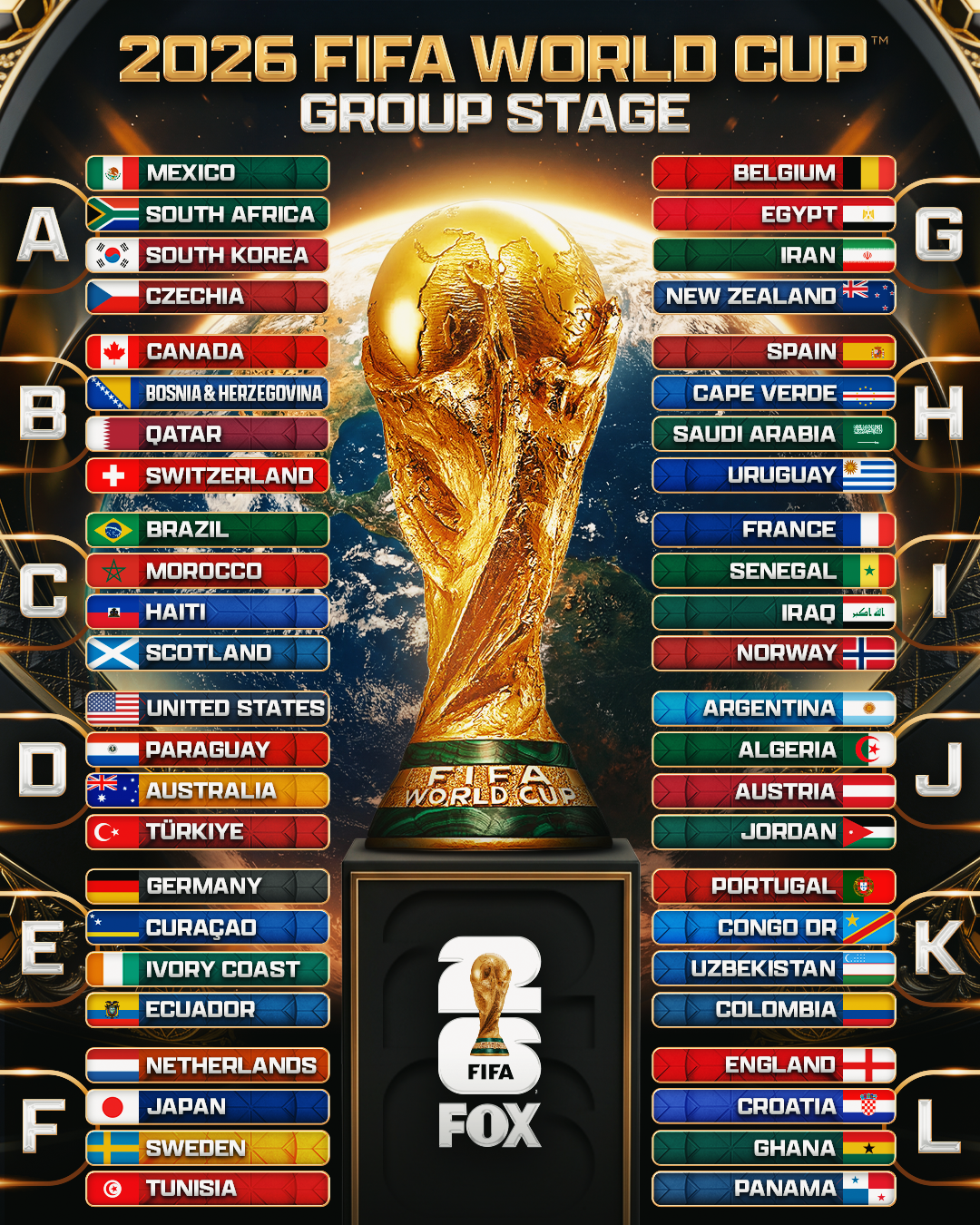
We’ve now gone past the group stage and it is all knockout from now on. My interest in England doing well is out and despite being past my bedtime I have watched most of the three games they have played so far. They did ok but will need to improve, and will feel happy with a kind draw. The competition is more a marathon than a sprint and the teams that go onto win, helped by elements of luck, are those that manage to peak at the right time. People are predicting, but not me given my poor track record as a pundit. Overall, I have, notwithstanding my commercialisation qualms, liked a lot of what I have seen and look forward to more excitement and excellence, hopefully culminating in the best team winning.
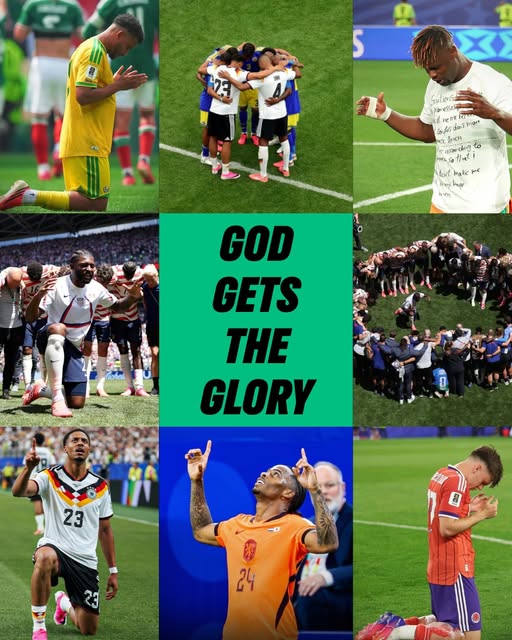
If the money and the expansion are testing the soul of the tournament, the other thing that’s given me particular pleasure is how visible Christian faith still is on this stage. You’ve seen it in Germany’s Felix Nmecha kneeling and ‘handing his crown’ to God after scoring against Curaçao, then both sides gathering in a circle to pray as brothers after the final whistle. In Brazil, Alisson Becker still lifts his jersey to show Bible verses underneath, saying he sees his career as a ministry to point people to Jesus. And in the US camp, Christian Pulisic posted the team in a circle praying after they advanced, calling it ‘grateful to be part of this group’. I’m not reading more into it than is there — but watching players who believe they’re playing for an audience of One, even in a 48-team commercial event, has reminded me why I still call it the beautiful game. If football can hold room for excellence, for ‘minnows’, and for that kind of witness, then maybe it hasn’t lost its soul after all.
 JRB Publications