
During my nearly sixty years as a Christian, I have come across many controversies, but one of the earliest was the Charismatic Movement that had a big effect on churches, including my own.
According to Got Questions (see here) “The Charismatic movement is an inter denominational Christian renewal movement and is one of the most popular and fastest-growing forces within the Christian world today. The movement traces its roots to 1906, at the Azusa Street mission in Los Angeles, California, a Methodist-sponsored revival. It was there that people claimed to have been “baptized by the Holy Spirit” in the manner recorded in Acts chapter 2 during the celebration of Pentecost. People speaking in tongues and miracles of healing roused people to a spiritual frenzy. The people who attended those meetings spread their enthusiasm throughout the United States, and the Pentecostal / Charismatic movement began. By the early 1970s, the movement had spread to Europe, and during the 1980s the movement expanded, with a number of new denominations evolving from it. It is not unusual to see its influence in many other denominations such as Baptists, Episcopalians, and Lutherans, as well as non-denominational churches”, although I take slight issue here as I believe for many it was less about emotion or feeling and more about a desire for authentic Christianity and a deeper walk with God, hitherto missing.
Besides matters like the threat of Catholicism and Liberalism, the other controversial topic that stood out a the time (but to a lesser extent than Charismatic) was Calvinism, an issue that divides Christians today, and which I wrote about recently (see here). As for today’s pre-occupation with social justice issues and wokery and is a matter of contention that affects many (which I see as a mish-mash of needed truth and regrettable error), this school of Christian theological outlook, which besides, in my experience, affecting many new incumbent Baptist ministers, also, for example, includes many successors to yesterday’s Charismatics, typically those who gladly embraced that movement when it came to my town (Southend) in a big way, which I would date as in the early 1970’s.
As I have sometimes mentioned in my forays into the blogosphere, my own background is Plymouth Brethren and for much of my life I have been associated with a PB Assembly (Coleman Street Gospel Hall/Chapel). I have even written histories of the PBs (see here) and of Coleman Street Chapel (see here), for my involvement has had a major bearing on my own outlook as to how church and Christian endeavour ought to be. Regarding Coleman Street Chapel, it was very active when the Charismatics came onto its radar, although its rapid growth in its first thirty years after opening in 1900 was matched by a steady decline in its last forty, ironically from about the time the Charismatic Movement began to make a significant impact in the town, to when the church closed in 2013.
For those who know anything about PBism (especially the Open section to which I belonged) they will know that among its emphases these included being biblically savvy and doctrinally sound and that of Gospel endeavour, i.e. in order to get people saved. One irony, just before the big rise in Christians in the town embracing the Charismatic movement, Coleman Street Chapel had organised an evangelistic campaign, led by the evangelist Dick Saunders, with a good number of “decisions” made, although significantly few ended up at the Chapel. Then the next big thing to happen in my town, or so it seemed to this young Christian, just out of my teens, was the Charismatic Movement. While this was welcomed by many in the town, by Christians across the different denominations, my own church was one that in the main did not welcome it, including some who outrightly opposed it, but there were a few who didn’t.
I found myself in the middle of the controversy, although as a young Christian I suspect my views carried little weight (as it turned out, with either side), but leaning to being more inclined to welcome this new shaking up of how church was done, given the miss-match to how it compared to New Testament times. It turned out that two of the older brethren in my church became part of that movement and were people who I looked up to. What I saw was a breath of fresh air amidst the stuffiness I was used to. I discerned among those who objected, coming out with their sanctimonious statements that did not resonate with what I observed, an unholy resistance given that their church life was more beholden to light rather than life, harking back to a golden past but at that time making little impact on the community they needed to reach. This new movement may not have been entirely doctrinally sound but was in line with my desire for a more vibrant Christianity and an experience of God that was real, irrespective of the signs and wonders and fluffy emotionalism that contrasted with the more austere regime that I was used to.
Looking back at what I saw arising out of the Charismatic Movement emerging in the 1970s, I can see both positives and negatives. There are those, some still around, whose lives were radically changed to being more on fire for God as a result of their Holy Spirit experience. I reject the Cessasionism of some of the Christians I associate with these days, including those linked to my own Grace (Strict) Baptist set-up, and welcome the part the Charismatics and Pentecostals played in recognising the role of the Holy Spirit. My own hope and expectation remains that there will be a genuine outpouring of the Holy Spirit which may well include the gifts seen in the early church. Then there are those, who despite their early enthusiasm, have since fallen by the wayside, some who have been avoidably hurt by some of what was said and done at the time. And then there are also those who have never claimed a “Second Blessing” yet who are faithfully and effectively serving the Lord, and bringing blessings to many.
Then there was what I see as, in hindsight especially, error, partly as a result of some strong leaders who one dared not question pushing an agenda. Heavy shepherding including by folk “at the top” one were not allowed to question, being told one was a second-class Christian if not experiencing the Baptism and gifts of the Spirit, putting pressure to tithe and to their church only, the all too readiness to accept false prophecy and woe betide the skeptics, and a lack of Bible rigour and missionary endeavour are ones that spring to mind. Things have moved on and besides aspects from the 1970’s Charismatic Movement having been incorporated in mainstream churches there are new church groups as a result of the Charismatic renewal, often emerging out of the house churches which sprung up at the time, often as an alternative to long established churches.
Sometimes these have adopted some of the same errors, theological and otherwise, I sometimes write about, and losing that early unction. My own particular gripe, partly as a result of run ins I have had with leaders in these new church groupings arising out of the Charismatic Movement, is that while pushing the importance of the prophetic in influencing the life of the church and individuals, they refuse to acknowledge the part the prophetic plays in responding to the global craziness, including that orchestrated by the bad guys operating behind the scenes, by stealth, that to this poor watcher on the wall is so obvious, that those who should know better ignore.
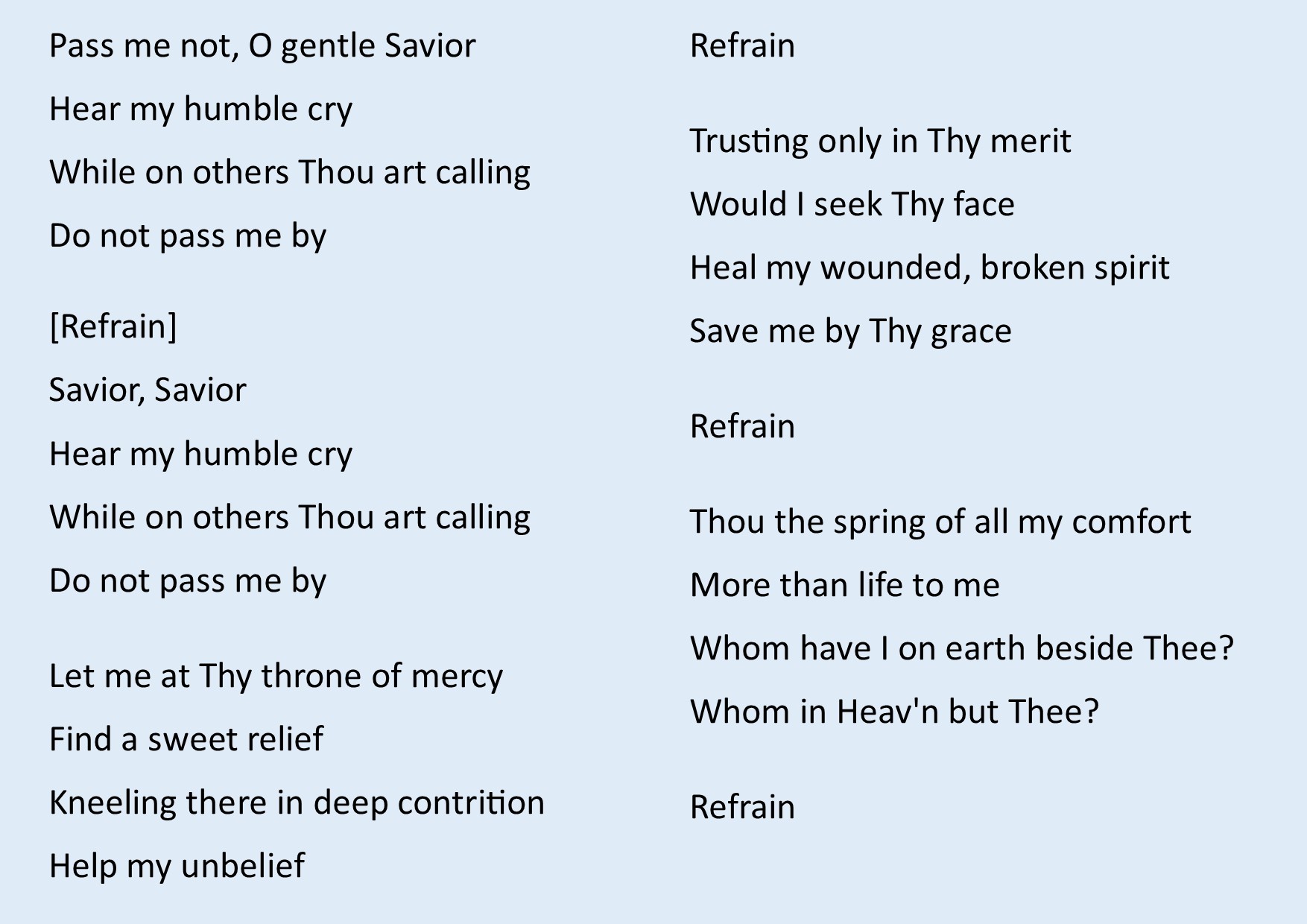
Which brings me nicely to why I am writing on this subject at this time, besides doing the old man thing of harking back to the past. Three days ago, I posted my “Why has “Put Christ back into Christmas” suddenly become so contentious?” blog (see here), in the light of the announced event in Central London, involving Tommy Robinson, this Saturday. I did so also in the light of many objections by high profile Christians from many different denominations, including, I suspect, charismatic leaning ones. I saw then the same danger as I found with my own PB church back in the 1970’s of resisting what God may be doing. As back then, when He raised up unlikely torch bearers, God is doing the same today as He always has done, so that He alone gets the glory. While there may be these and other errors that need to be unapologetically refuted (and being prepared, as I have found, for rejection by one’s peers in doing so), we mustn’t and daren’t resist any genuine move of the Holy Spirit, and it is why I want to end with the words of this old hymn:
Update 01/01/26
I have just been listening to a one hour video titled: “Dennis Bennett, Wimber & Britain’s Charismatic Shift: A Deep Dive” (see here) that makes several interesting and valid points, that I found much in line with many of the thoughts shared above.
 JRB Publications