
I recently posted on this subject (see here) and those concerns remain. I write giving an update.
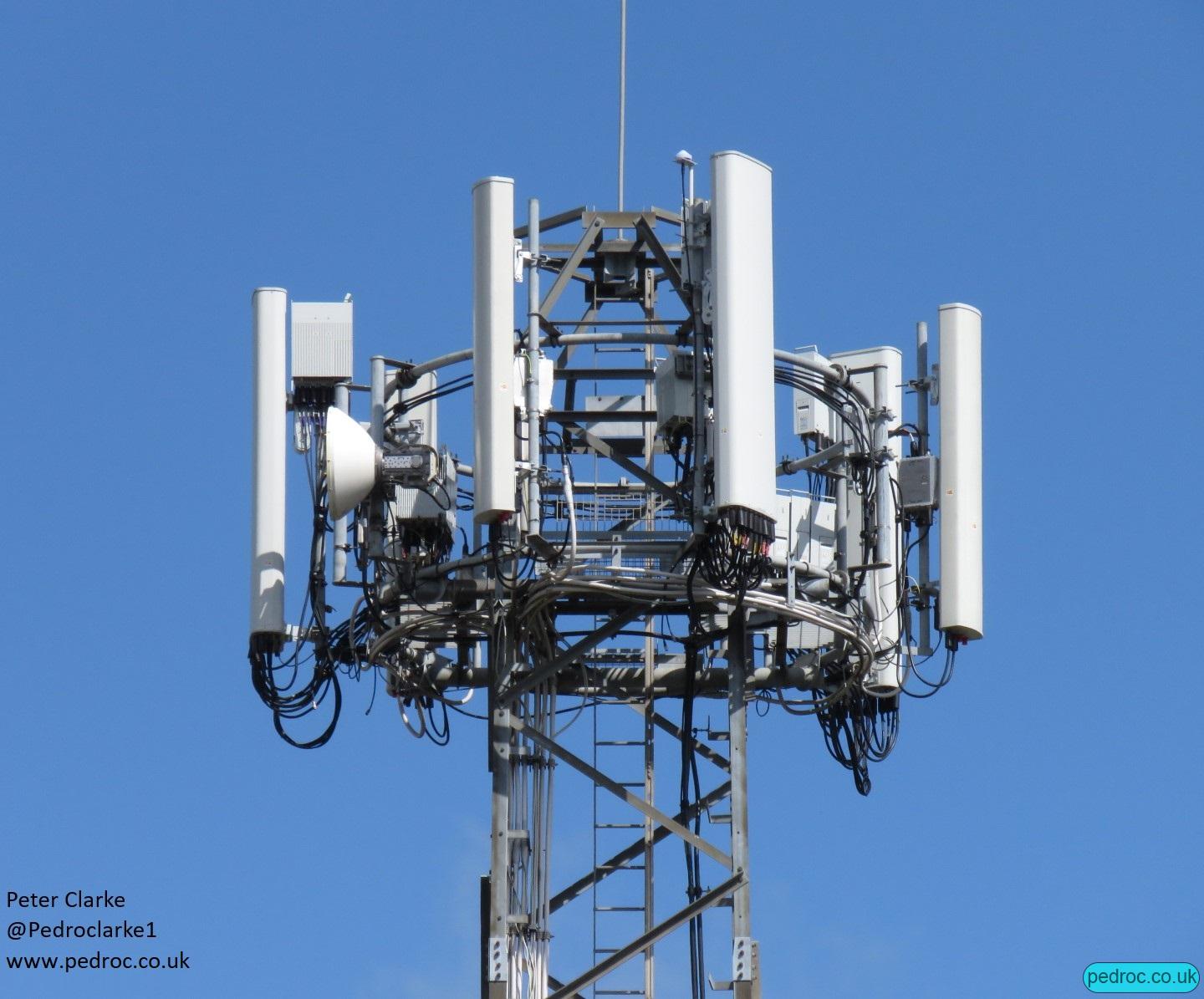
I recently wrote to my local councillor on the subject. This is one of many subjects that concern me and since using the democratic process is one way of making concerns known and since I had hoped writing to my councillor would help, so I did and it did help. To her credit, she passed on my concerns to the local planning officers, who gave their response, which she passed onto me.
“Under The Town and Country Planning (General Permitted Development) (England) Order 2015 (as amended) extensive permitted development rights exist for telecommunications equipment, including for telecommunications masts. Where planning permission is needed from the Local Planning Authority (LPA) statutory consultation is carried out. Most such applications to the LPA are of a prior approval type whereby the LPA can only decide the application based on the development’s siting and appearance, not on any other basis. To do otherwise would very likely be held to be unreasonable behaviour for which the LPA could be penalised with costs for example if the matter was subject of a planning appeal. As you would expect, the Council would endeavour not to waste public resources in such a way.
The theme of the permitted development rights is generally permissive, nationally intended to allow such development to proceed, unless there is significant identified harm, including because of its essential support to national communications and the economy. That theme is consistent with the National Planning Policy Framework which Mr Barber can read if he wishes using this link https://assets.publishing.service.gov.uk/media/67aafe8f3b41f783cca46251/NPPF_December_2024.pdf
At section 10 of the NPPF is the national planning policy guidance on communications. It stresses the importance of rolling out 5G communication across the country and that planning policies and decisions should support the expansion of electronic communications networks, including next generation mobile technology (such as 5G).
On health matters, national planning guidance tells LPAs that when dealing with telecommunications applications they must decide them on planning grounds only. LPAs should not seek to prevent competition between different operators, question the need for an electronic communications system, or set health safeguards different from the International Commission (ICNIRP) guidelines for public exposure. All planning applications must be submitted with ICNIRP Declaration addressing safety issues –the link below gives more information on the guidelines.
https://www.icnirp.org/en/publications/article/rf-guidelines-2020.html”
I reflected on the above and checked out the links, a lot of which I found both disappointing and helpful. It was disappointed as it appeared that there seemed little that our local councillors could do to stop more 5G masts going up in our town. In order to get meaningful changes means engaging at a higher level, mindful that this is not a subject those with power and influence have strong views on, who likely see 5G masts as the price we need to pay for progress and dismiss some of the points made in my earlier article as conspiracy theory. Yet the reply was helpful as it outlined the present position and the criteria being used in which objections can be successfully made, i.e. to do with appearance and position. In my (NIMBY) example which I cited in my previous blog on the subject, I could see no grounds for objecting on appearance and position and all the other (more pressing) reasons to object would likely not be taken into account when it comes to responding to objections.
And so I must leave it there. There are many other matters that concern me besides 5G masts, many of which relate, that I want to consider in terms of knowing the facts and deciding how best to respond. But for the time being I have done what I told folk in the Southend Mast Objection (Facebook) Group I would do and now I need to turn to other watchman on the wall considerations.
 JRB Publications