
Having introduced my latest Bible focused project (see here), which is to write about Daniel’s four visions, and having turned our attention to the first of these (see here), I would like now to consider Daniel’s second vision – the Vision of the Ram and the Goat, which is described in Daniel 8.
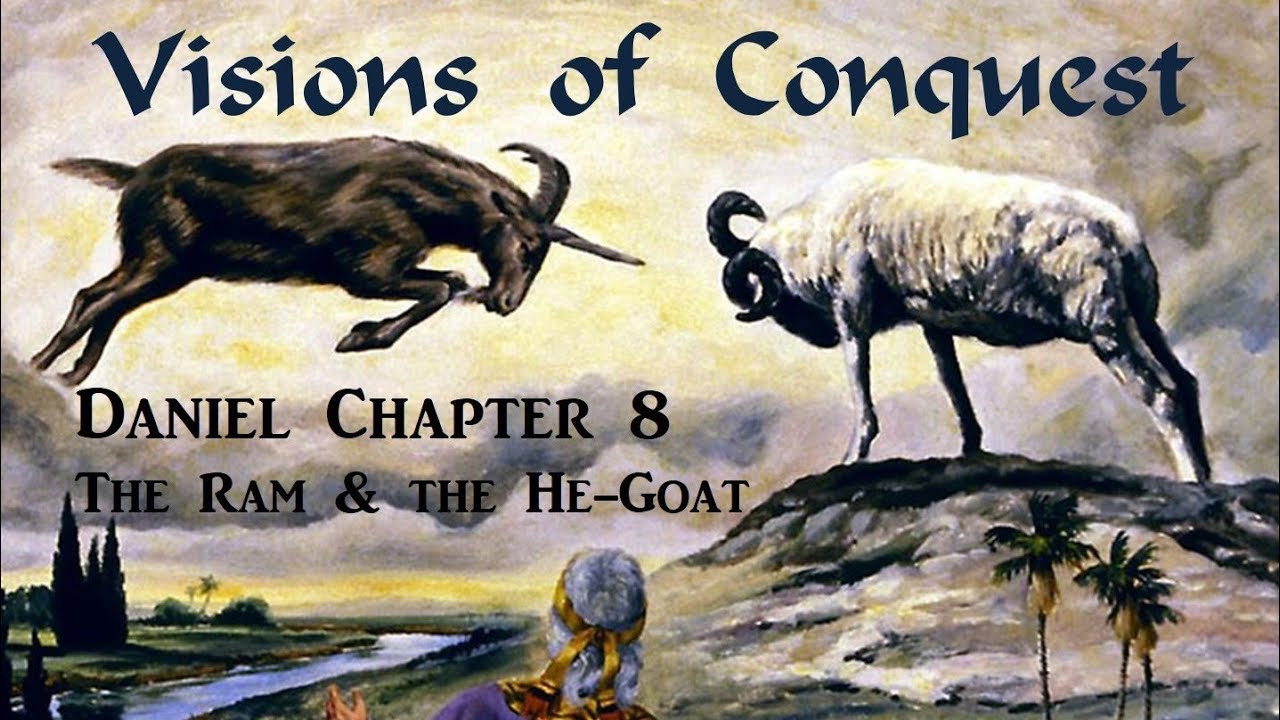
The Chapter 8 vision took place two years after the Chapter 7 dream and likely around 13 years before Daniel’s prayer and visitation / vision, which is recorded in Chapter 9. Besides being devoted to the worship of God and prayer, one imagines that the baulk of Daniel’s time was spent doing “the king’s business” (8:27). Compared with the other dreams and visions recorded in the Book of Daniel, this was arguably the most straight forward one to figure out.
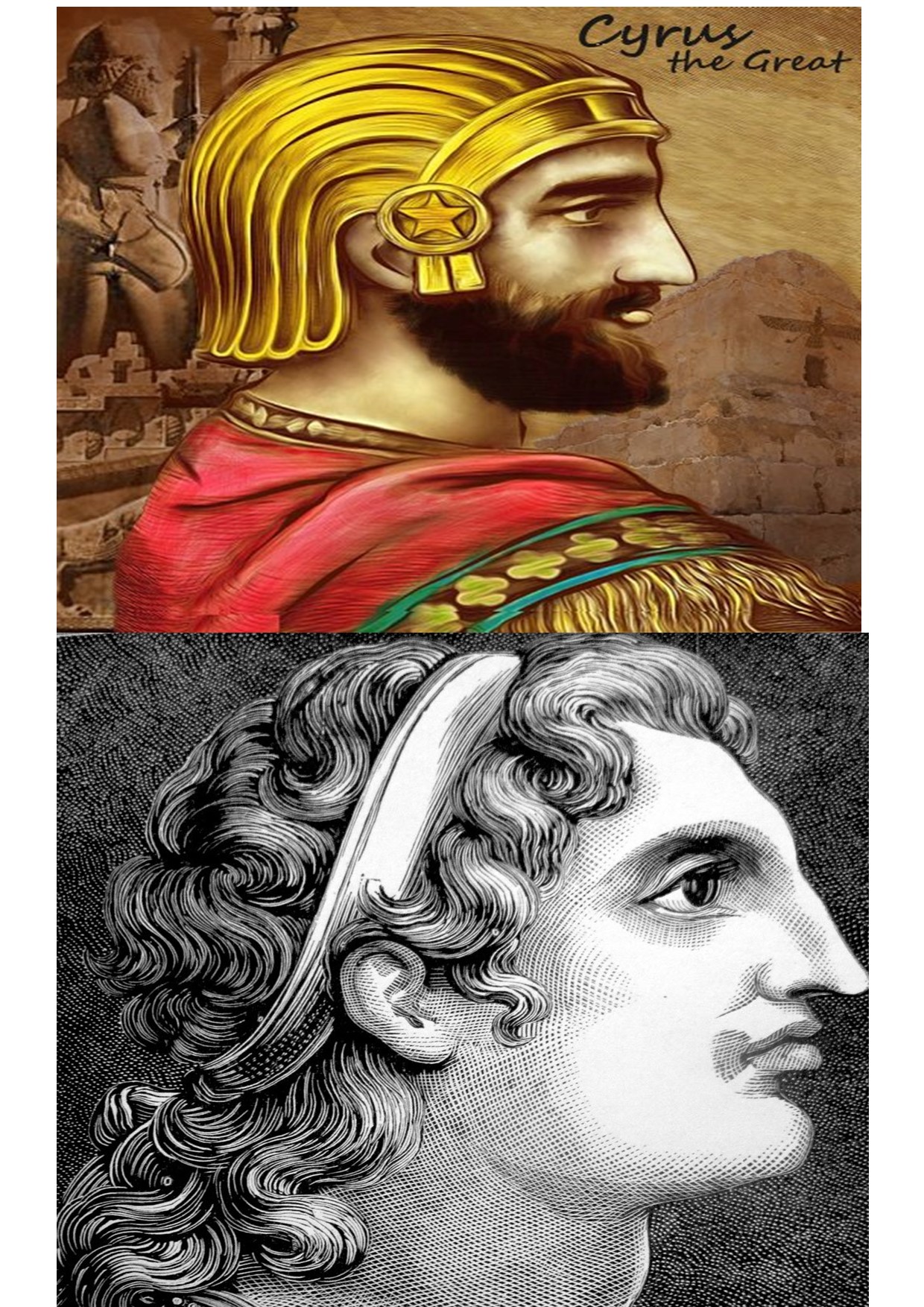
The vision concerns a ram and a goat that represents the empires of Persia (initially under Cyrus the Great) followed by that of Greece (initially under Alexander the Great). Moreover, Daniel is told as much when for the first time he encounters the Angel Gabriel (who also appears following his third vision and also in the New Testament to Zechariah the Priest and the Virgin Mary – each time despite being met with fear, but offering up words of comfort and hope). The Ram has connections with Persia and the Goat has specific associations with Greece, and sources other than the Bible testify to this fact thus making the symbology used even more apt.
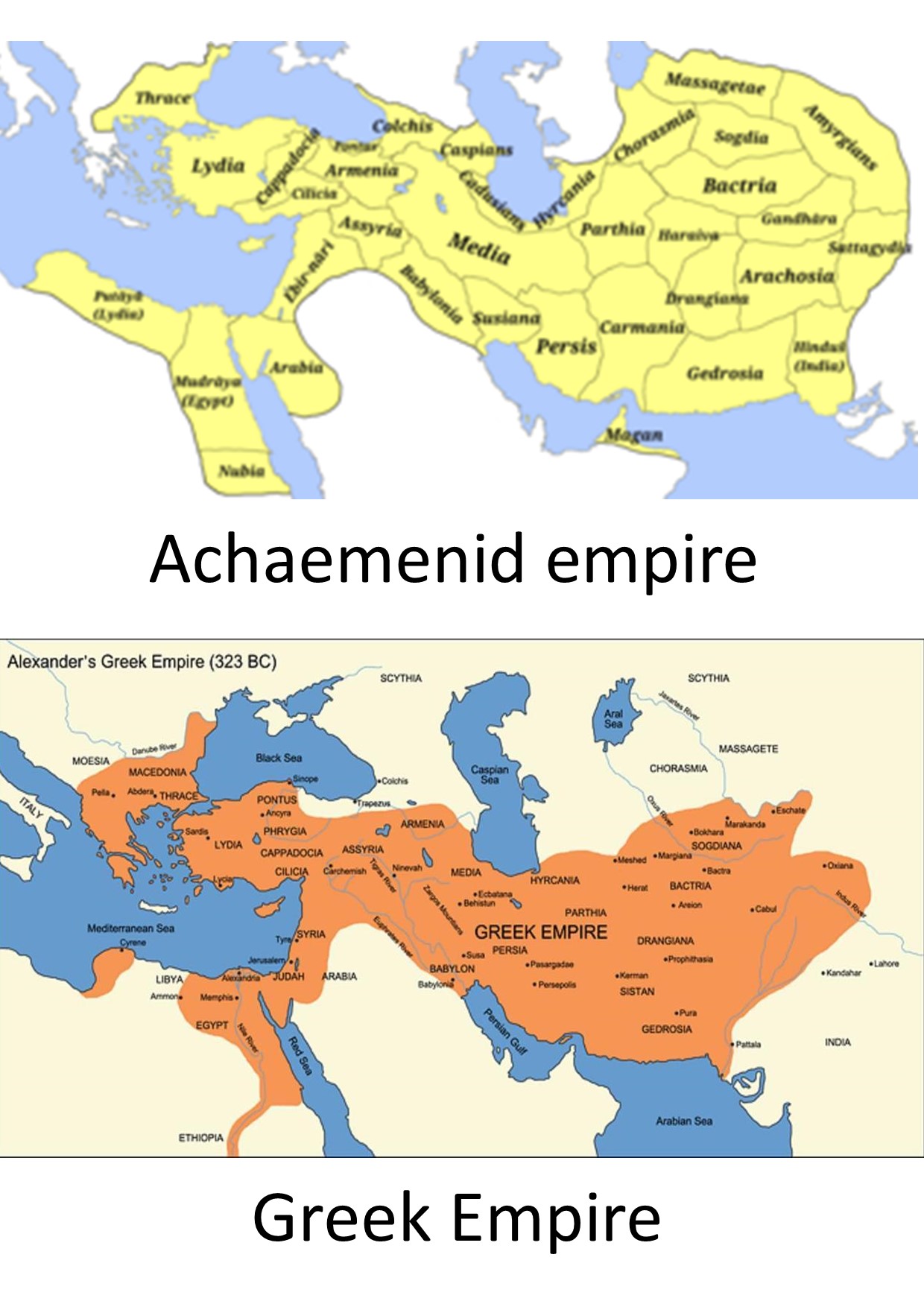
There are several references to horns (8:3-7) and used in the context of strength and authority. Firstly, there is the lower and the higher horn of the goat (8:3-4) – arguably the lower horn represents Media and the higher horn Persia (the dominant power). The Ram is to go on a rampage, conquering in all directions, overcoming all that stood in its way – which we know is what happened. Then comes the Goat from the West with a “notable” horn (8:5) which also conquers in all direction (8:5-7) and at a furious pace, finally and emphatically conquering the Ram. That horn is broken and out of it comes four horns and later a “little horn” from one of these horns (8:8-9). Few scholars doubt that the Goat refers to Alexander the Great (who has been referred to as the Goat). In the short time before coming to the throne, aged 20 and dying, aged 31, he had made these remarkable conquests – literally speaking without his feet ever touching the ground. Greece and Persia were in conflict through out the period of the Achaemenid empire (559 BCE to 330 BCE) and in the end Greece prevailed and Alexander was able to gain revenge for past humiliations to his people previously inflicted by the Persians.
When Alexander died, the kingdom was divided between his four generals as he had no heir (four horns), “Therefore the he goat waxed very great: and when he was strong, the great horn was broken; and for it came up four notable ones toward the four winds of heaven” (8:8) and from the Syrian section of the divided empire later arose Antiochus Epiphanes IV (the little horn). He was a terrible tyrant and a cruel man, oppressing God’s people and carrying out sacrilege, remembered for erecting an image of Zeus in the Temple and sacrificing a pig upon the Altar and killing those Jews who kept to the Jewish Law, and some of his atrocities are detailed in 8:10-12, with his deeds and intrigues being further expounded upon in Daniel’s fourth vision (Chapters 10-12) and also relates to his other two visions. It should be noted that besides having to deal with external conflicts, e.g. with the rising Roman Empire, was a formidable Jewish resistance led by Judas Maccabeus that managed to restore Temple worship and gain independence.
The rest of Chapter 8 is taken up with men and angels speaking. Firstly, we find two “saints” in conversation asking how long for the daily sacrifice that has been taken away to resume (8:13-14) (answer: 2300 days – which is what happened). Secondly a man appears who has authority (8:15-16) (speculating as to his identity – could it be the pre-incarnate Christ) such that he instructs Gabriel to explain to Daniel the meaning of the vision. The rest of the Chapter (8:17-27) is taken up with Gabriel’s explanation of the vision. On the face of it, this applies just to the period up to the sudden demise of Antiochus Epiphanes IV, which we know happened as per the vision, just as the vision along with interpretation said it would.

As will become more evident when we come to the fourth vision, there is a shorter term fulfillment and a longer (still to happen) term fulfillment (the time of the end (8:17) when the Little Horn will stand in defiance to the Prince of princes (8:25)). While alluded to in this vision, we find Jesus spoke of the having came yet coming “abomination of desolation” in His Olivet Discourse as He referenced this event mentioned in Daniel 9:27 and spoken of in future terms in Matthew 24:15-16. Regarding the Little Horn, this is the same term used in Daniel 7 about the future Antichrist who is yet to be revealed, complemented by John’s vision in Revelation 13. Antiochus Epiphanes IV is the Old Testament Antichrist who does similar acts and shows the same arrogance and defiance as the New Testament one and also features in Daniel’s third and fourth visions.
 JRB Publications